What Fencing Actually Costs Around Here
Fencing quotes can vary wildly, and if you’ve already asked around, you’ve probably noticed that. Two neighbours with similar block sizes can end up paying very different amounts, and it’s not always obvious why.
This post breaks down what drives fencing costs in the Northern Beaches, what you can expect to pay per metre for the most common materials, and where budgets tend to blow out before the first post goes in the ground.
The Per-Metre Numbers You Actually Need
Most fencing contractors price jobs by the lineal metre, which makes it easier to compare quotes once you know your rough run length. Per-metre pricing for fencing in Australia generally falls within these ranges:
- Colorbond steel: $85 to $150 per metre (supply and install)
- Timber paling: $70 to $130 per metre (supply and install)
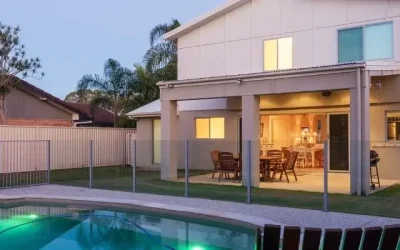
- Pool fencing (glass or aluminium): $150 to $350 per metre
- Picket fencing: $60 to $110 per metre
These are indicative figures for standard residential installs. Prices shift depending on height, site conditions, and the specific product you choose.
Colorbond vs Timber: Where the Real Difference Lies
Colorbond and timber are the two most popular choices for residential boundary fencing, and both have trade-offs beyond just price.
Colorbond Fence Cost
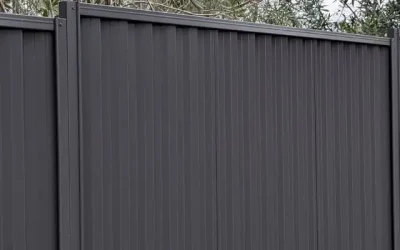
Colorbond is typically priced at the higher end of the standard range, but it requires very little ongoing maintenance. No painting, no rot, no warping. For coastal properties on the Northern Beaches, where salt air accelerates timber deterioration, that durability matters.
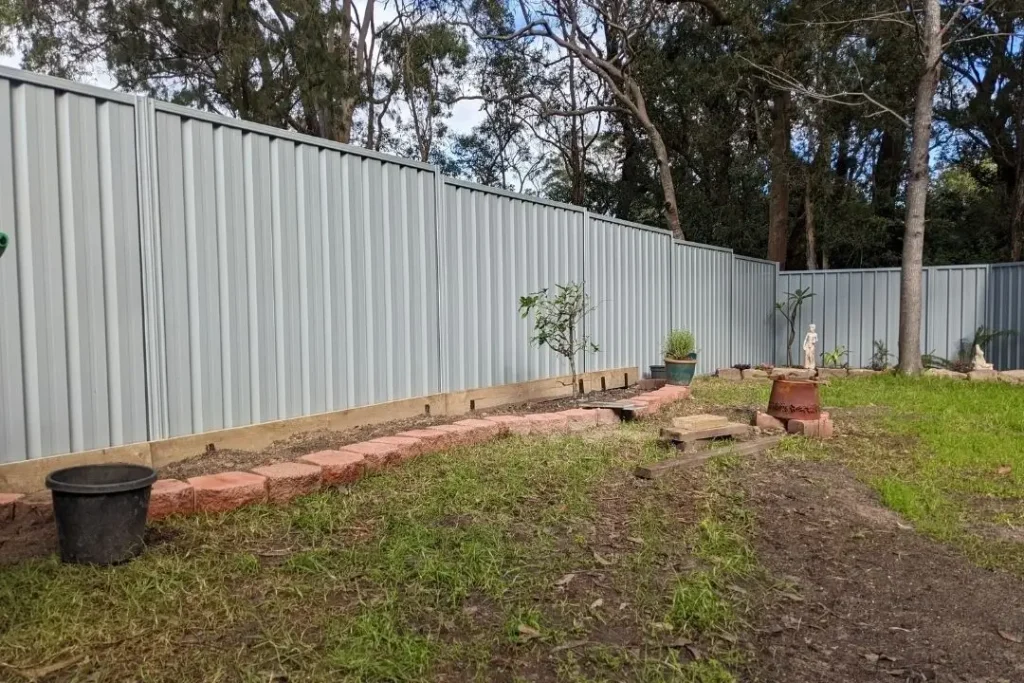
A standard 1.8m Colorbond fence with steel posts will generally sit between $90 and $140 per metre installed. Expect to pay more for custom colours, increased height, or difficult access. Our Colorbond fencing installations follow the same approach: quality materials, properly set posts, no shortcuts.
Timber Fence Cost
Timber paling fences tend to cost slightly less upfront, but factor in repainting or restaining every few years and the gap closes quickly. Hardwood costs more than treated pine but lasts considerably longer in coastal conditions.
A treated pine paling fence typically runs $70 to $100 per metre installed. Hardwood options sit closer to $110 to $130 per metre. If the existing fence has old posts that need replacing, that adds to the total.
Why Two Jobs the Same Length Can Cost Very Different Amounts
Site conditions are the biggest variable most homeowners don’t account for. A flat block with clear access is straightforward. A sloped block, rocky ground, or a fence line running through established garden beds changes the equation significantly.
Sloped sites often require stepped or raked panels, which takes more time and sometimes more material. Rocky ground can make post installation much harder, particularly if the contractor hits sandstone or shale, which is common across parts of the Northern Beaches. Difficult access, such as a narrow side gate or a rear yard with no vehicle entry, also adds labour time.
Demolition and removal of an old fence is another cost that catches people off guard. Disposal of old timber or steel adds to the job total, and some sites have multiple layers of old fencing to remove before new work can start.
What a Full Project Budget Should Include
A realistic budget covers more than just the fence panels and posts. Here’s what a complete residential fencing project typically includes:
- Materials (panels, posts, rails, caps, fixings)
- Labour for installation
- Removal and disposal of existing fencing
- Concrete for post footings
- Any site preparation required
For a standard 30-metre Colorbond boundary fence with removal of an old timber fence, a realistic all-in budget sits somewhere between $3,500 and $5,500 depending on site conditions. Cost breakdowns by material type and project size for Australian residential fencing confirm this range is consistent with broader market pricing.
Shared Fences and Cost Splitting
If the fence sits on a boundary between two properties, your neighbour may be legally required to share the cost. Under NSW fencing law, adjoining owners generally split the cost of a standard dividing fence equally.
That said, disputes about what counts as “standard” do come up. If you’re planning a boundary fence and want to understand your rights before approaching your neighbour, it’s worth reading up on dividing fence rules and neighbour obligations before any work starts. Getting this sorted early avoids disagreements mid-project.
Getting a Quote That’s Actually Useful
A good quote should be itemised. You want to see materials, labour, and removal costs listed separately so you can compare quotes from different contractors on equal terms. A single lump-sum figure makes it hard to know what you’re actually paying for.

Measure your fence line before calling anyone. Even a rough measurement helps a contractor give you a more accurate ballpark over the phone and saves time on the initial site visit.
Ready to Get a Straight Answer on Your Fencing Cost?
If you want a clear, itemised quote for your property, our team covers the full Northern Beaches area and can assess your site, discuss your options, and give you a realistic figure without the runaround. Our team works across the full Northern Beaches area, from fencing Mona Vale and Narrabeen through to Newport and Palm Beach.
For fencing Northern Beaches homeowners can rely on, call us on (02) 9090 4199 and we’ll provide a free quote for your project.