Most Fences in NSW Don’t Need Council Approval
The short answer is: most standard residential fences qualify as exempt development, which means no Development Approval (DA), no council approval, and no certifier required. You just need to meet the relevant height and setback rules for your zone.
Where people run into trouble is assuming all fences are treated the same. Height limits, zone type, heritage overlays, and proximity to a road can all change what’s allowed without approval.
What Is Exempt Development for Fencing?
Exempt development is a category of low-impact work that meets pre-set standards and can proceed without a formal approval. For fencing, the fence exempt development standards set out the maximum heights allowed in different zones, along with rules about solid versus open construction and street frontage setbacks.
If your fence meets those standards, you can build it without lodging anything with council. If it doesn’t, you’ll need either a complying development certificate or a full development application.
Fence Height Rules by Zone in NSW
Height limits vary depending on whether your property is in a residential, rural, or business zone. In most residential zones, a front fence up to 1.2 metres is generally exempt, while side and rear fences can go up to 1.8 metres in many cases.
Solid front fences face stricter limits than open-style fences in some zones. If you’re on a corner block or near a classified road, additional visibility and setback rules apply.
It’s always worth checking the specific standards for your zone before you start, rather than assuming the standard residential rules apply to your block.
Do Dividing Fences Have Different Rules?
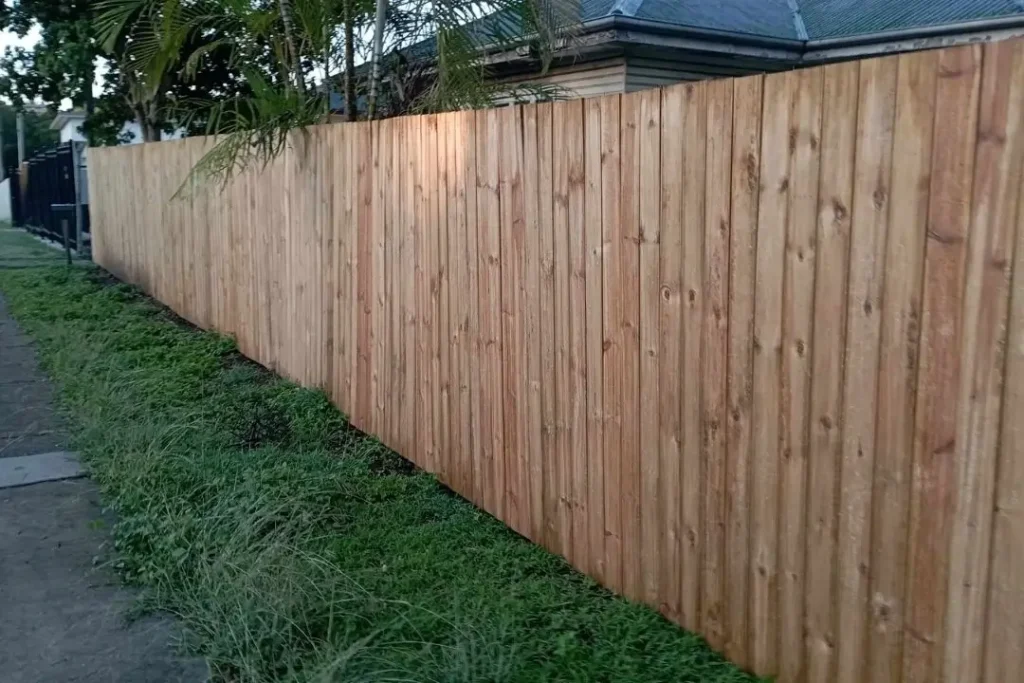
Dividing fences sit on the boundary between two properties and are governed by the Dividing Fences Act 1991 in NSW, separate from planning rules. This legislation covers cost-sharing between neighbours, notice requirements, and dispute resolution.
Even if your dividing fence qualifies as exempt development from a planning perspective, you still need to follow the correct process with your neighbour before building. Skipping that step can create legal headaches later, even if the fence itself is perfectly compliant.
If you’re replacing an existing dividing fence rather than building a new one, the process is generally simpler, but the notice requirement still applies.
When You Do Need a Fencing Permit in NSW
Several situations take a fence outside exempt development. These include fences that exceed the height limits for your zone, fences on heritage-listed properties or within heritage conservation areas, and fences on land affected by bushfire, flood, or acid sulfate soil overlays.
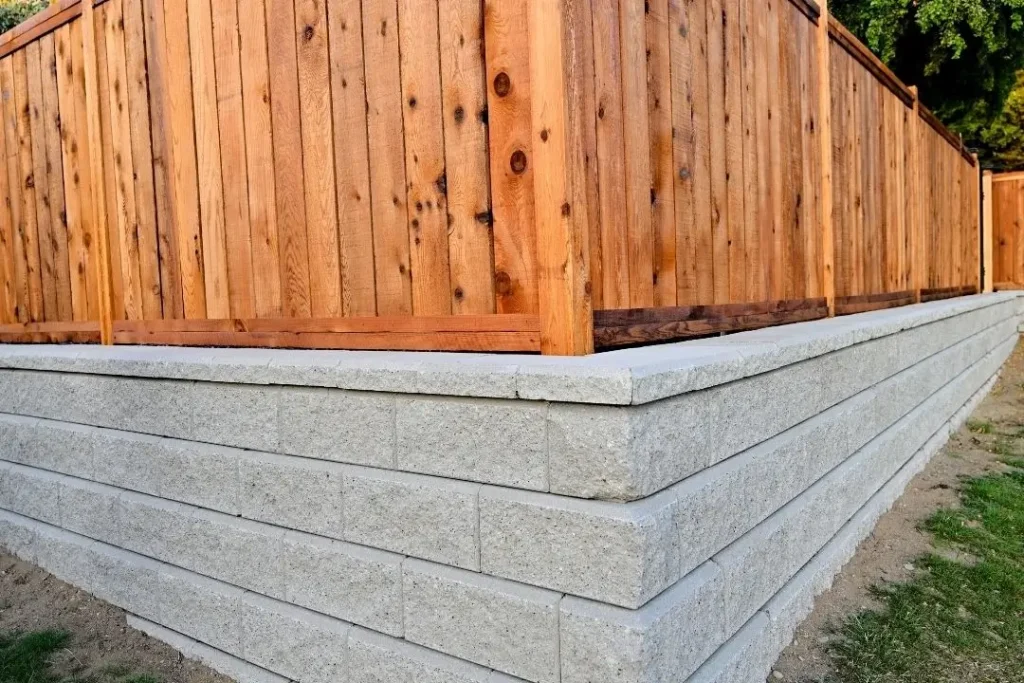
Retaining walls combined with fencing can also trigger approval requirements. If your fence sits on top of a retaining structure, the combined height is what matters, not just the fence panel above ground. Projects involving retaining wall construction alongside fencing need careful assessment before work starts.
In these cases, you’ll need to apply for a complying development certificate or a development application through council.
Northern Beaches Specific Considerations
Northern Beaches Council follows the NSW exempt development framework but has its own local environmental plan (LEP) and development control plan (DCP) that can affect what’s permissible on specific sites. Properties in heritage conservation areas, foreshore areas, or with biodiversity overlays may face additional restrictions.
The council’s exempt and complying development guide outlines when a project moves beyond exempt status and requires a formal application. Checking your property’s planning controls through the NSW Planning Portal before you build is a practical first step.
Pool Fencing Is a Separate Category Entirely
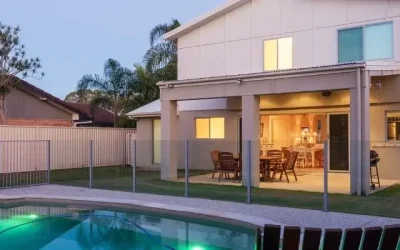
If you’re fencing around a swimming pool or spa, the rules are stricter and sit under different legislation. Pool fencing in NSW must comply with Australian Standard AS 1926.1 and the Swimming Pools Act 1992, regardless of whether the fence would otherwise qualify as exempt development.
The height, gate latch position, climbable zones, and barrier continuity requirements are all prescribed. You can read more about what’s required under the pool fencing requirements in NSW before planning your installation.
What to Check Before You Build
Before any fencing work starts, confirm your property’s zone and any overlays using the NSW Planning Portal. Check whether your site is in a heritage conservation area, a bushfire-prone area, or near a classified road.
If you’re sharing a boundary with a neighbour, serve the correct notice under the Dividing Fences Act. And if your fence exceeds the exempt development height limits, get the right approval in place before construction begins, not after.
Getting these steps right upfront avoids the cost and frustration of having to modify or remove a fence that doesn’t comply.
Ready to Sort Out Your Fencing Project?
If you’re not sure whether your planned fence needs approval, or you want someone to handle the whole project correctly from the start, our team is happy to talk it through. Our team handles pool fence installations and compliance work across the Northern Beaches, including fencing Newport, Manly, Mona Vale, and the surrounding area, and can advise on what’s required for your specific site before any work begins.
For Northern Beaches fencing advice or to get a quote, send us a message through our project enquiry form o call us directly on (02) 9090 4199.