The Choice That Affects Your Home for Decades
Deciding on a fence material is not just about what looks good on the day. The wrong choice can mean ongoing maintenance costs, early replacement, or a fence that simply does not suit how you live.
Most homeowners narrow it down to three options: timber, Colorbond, or aluminium. Each has a clear use case, and understanding the differences makes the decision a lot simpler.
What You Actually Need the Fence to Do
Before comparing materials, get clear on your priorities. Privacy, security, aesthetics, and low maintenance are not always delivered equally by the same material.
A fence along a busy road needs to block noise and sightlines. A fence around a pool needs to meet safety standards. A boundary fence shared with a neighbour needs to be durable enough to last without ongoing disputes about upkeep.
Write down your top two or three requirements before you start comparing options. That single step cuts through most of the confusion.
Timber: Character and Warmth
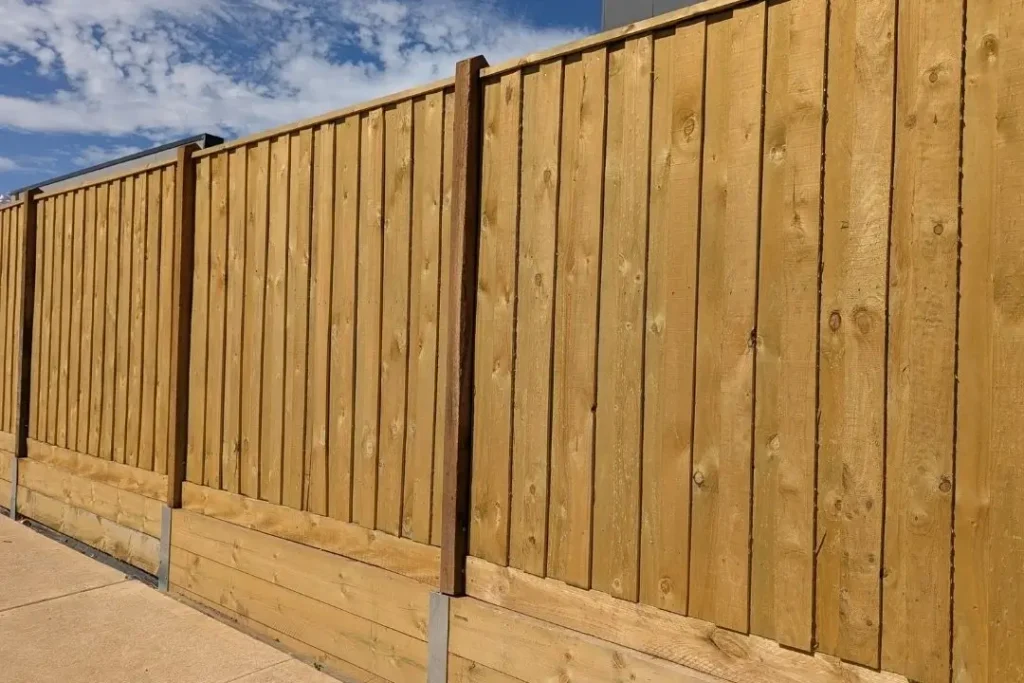
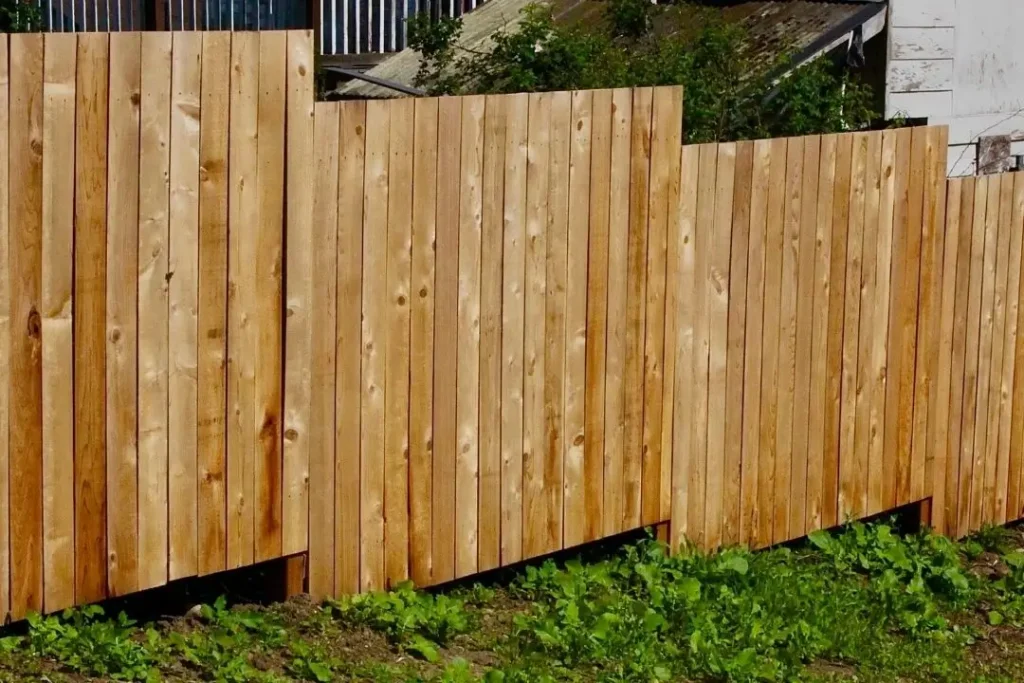
Timber fencing suits homes where natural aesthetics matter. It blends well with gardens, older-style homes, and coastal properties where a softer look fits the surroundings.
The trade-off is maintenance. Timber needs regular sealing, staining, or painting to hold up against moisture, sun, and insects. In a coastal suburb like the Northern Beaches, salt air accelerates deterioration if the timber is not treated and maintained consistently.
Hardwood species like spotted gum or ironbark last longer than pine, but they cost more upfront. Treated pine is cheaper to install but will need more attention over time.
Colorbond: The Low-Maintenance Workhorse
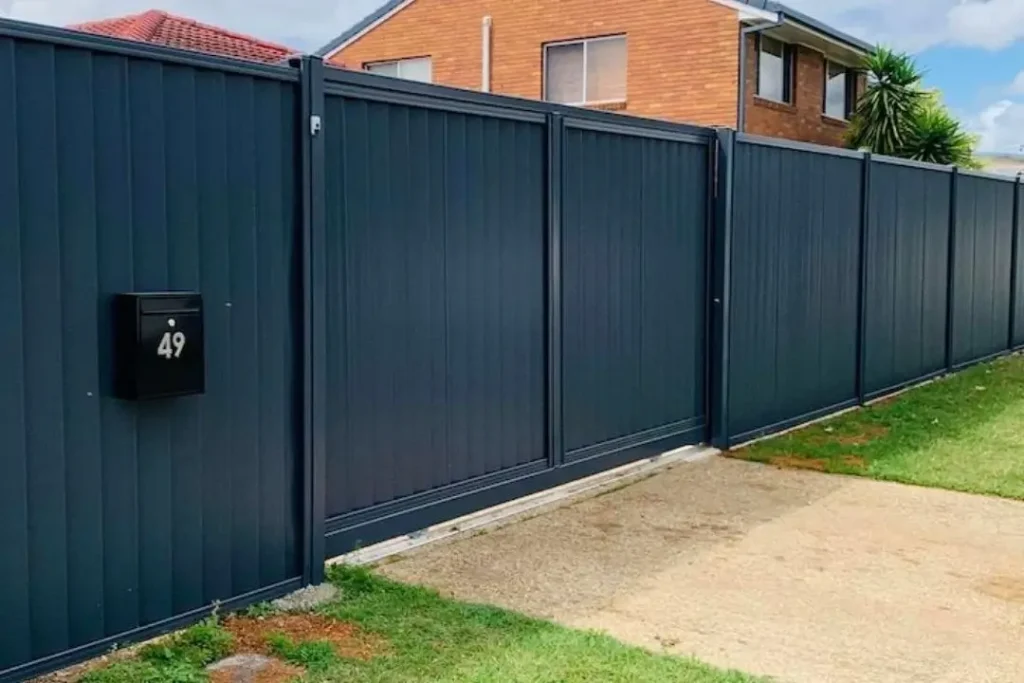
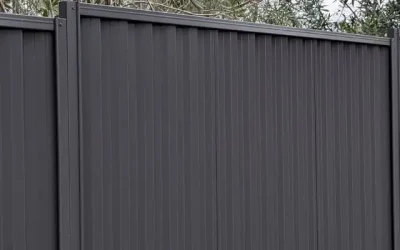
Colorbond steel fencing is the most popular material across Australian suburbs, and for good reason. It requires almost no ongoing maintenance, holds its colour well, and handles the full range of Australian weather conditions.
The steel used in Colorbond panels is engineered specifically for Australian conditions, including coastal and high-humidity environments. That matters in a location like the Northern Beaches, where salt air is a constant factor, which is a big part of why Colorbond is so popular for fencing in coastal suburbs.
It also performs well in bushfire-prone areas. The Colorbond fencing product range includes options rated for BAL (Bushfire Attack Level) compliance, which is relevant for properties on the urban fringe. The material itself is a pre-painted steel product developed for durability in Australian climates. The steel composition behind it is designed to resist corrosion, chipping, and peeling over the long term.
Aluminium: The Best Fence for Open, Decorative Boundaries
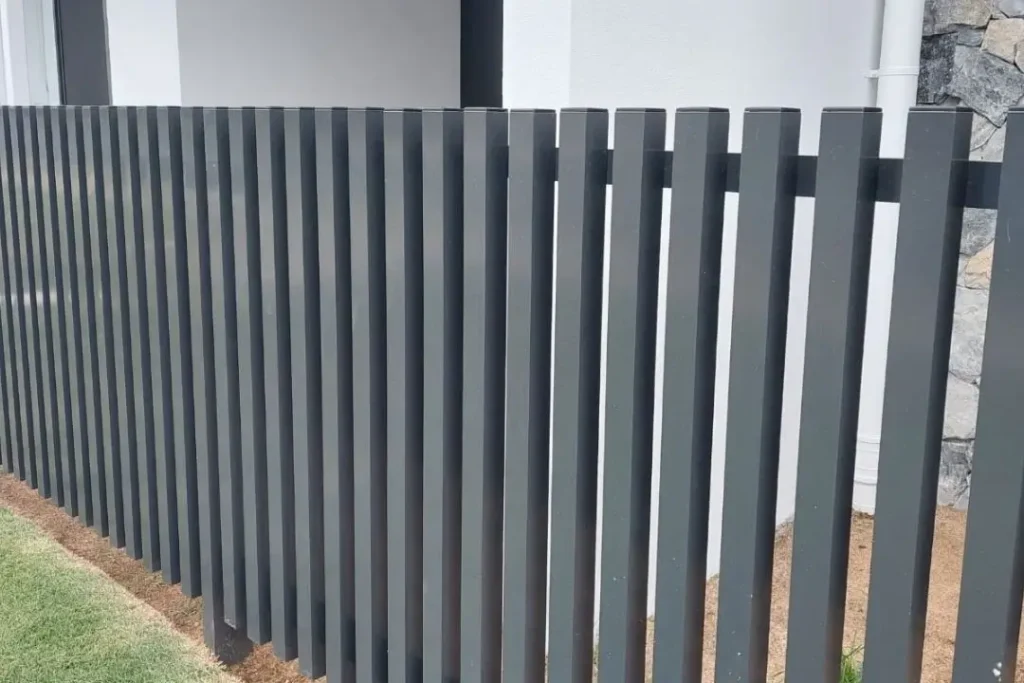
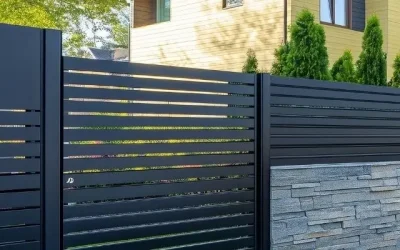
Aluminium fencing is not the right choice if privacy is your main goal. The aluminium slat or picket style means sightlines remain open, which suits front yards, pool surrounds, and decorative boundaries rather than rear privacy screens.
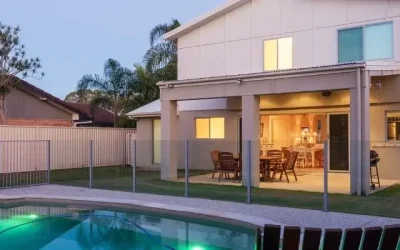
Where aluminium excels is longevity with zero maintenance. It does not rust, does not need painting, and holds up in coastal conditions without any special treatment. For pool fencing in particular, aluminium is a practical and compliant option.
The cost sits between budget timber and premium Colorbond, depending on the style and height. Custom powder-coat colours are available, so it can be matched to your home’s exterior without much difficulty.
Aluminium vs Colorbond: Choosing Between the Two Low-Maintenance Options
Both aluminium and Colorbond are low-maintenance, corrosion-resistant, and long-lasting. The decision between them usually comes down to two things: privacy and purpose.
Colorbond gives you a solid, continuous panel that blocks sightlines completely. Aluminium gives you a structured, open boundary that looks clean without creating an enclosed feel. If you want the best fence for privacy, Colorbond wins. If you want a decorative or pool-compliant boundary that still feels open, aluminium is the better fit.
Colorbond also tends to be more cost-effective for long boundary runs. Aluminium can be more economical for shorter sections or feature fencing where the open style is intentional.
What Drives the Cost Up Beyond the Material
The material is only part of the total cost. Site conditions, ground slope, soil type, and access all affect the final price significantly.
A sloped block requires stepped or raked panels, which adds labour and sometimes custom fabrication. Rocky ground makes post installation harder and slower. Difficult access, such as a narrow side gate or a property with no vehicle access, adds time to every stage of the job.
Removal and disposal of an existing fence also adds to the cost. Factor that in early so the quote you receive reflects the full scope of work, not just the materials.
Making the Final Call
If you want privacy and minimal upkeep, Colorbond is the most practical choice for the majority of residential properties. If natural aesthetics matter more than maintenance convenience, timber is worth the extra effort. If you need a pool fence or a decorative open boundary, aluminium is the right tool for that job.
Most homeowners on the Northern Beaches end up with a combination: Colorbond for rear and side boundaries, and either aluminium or a feature timber section at the front. That approach balances privacy, aesthetics, and cost across the whole property.
Ready to Work Out Which Material Suits Your Property?
Every block is different, and the right material depends on your site, your priorities, and your budget. For a fencing company that knows the Northern Beaches and can give you straight advice without the runaround, get in touch with our team. We handle installations across the Northern Beaches, including fencing Narrabeen, Manly and surrounding suburbs.
Call us on (02) 9090 4199 or send through an enquiry and we’ll get back to you with a clear quote.