Pool fencing in NSW is not optional, and the rules are more specific than most homeowners expect. Whether you have an existing pool or you’re planning a new one, understanding what the law requires can save you from costly rectification work and, more importantly, keep children safe.
NSW has some of the strictest pool barrier laws in the country, and they apply to every residential swimming pool and spa. Getting this wrong is not just a compliance issue. It can have serious consequences.
The Core Legal Requirement
Every swimming pool or spa in NSW must be surrounded by a child-resistant barrier. This applies to pools on residential properties, regardless of when the pool was built. The barrier must restrict a child’s access to the pool area without adult supervision.
Under NSW law, all pools must be registered on the NSW Swimming Pool Register. If you’re selling or leasing a property with a pool, a valid compliance certificate is required. This is not something you can skip or defer.
Pool Fence Height Requirements in NSW
The minimum height for a pool fence in NSW is 1.2 metres, measured from the finished ground level on the outside of the barrier. This applies to the entire perimeter of the pool enclosure, not just sections of it.
The fence must have no gaps, handholds, or footholds that a child could use to climb over. Horizontal rails on the outside of the fence are a common compliance failure. If your fence has them, it may not pass inspection.
Non-Climbable Zone Rules
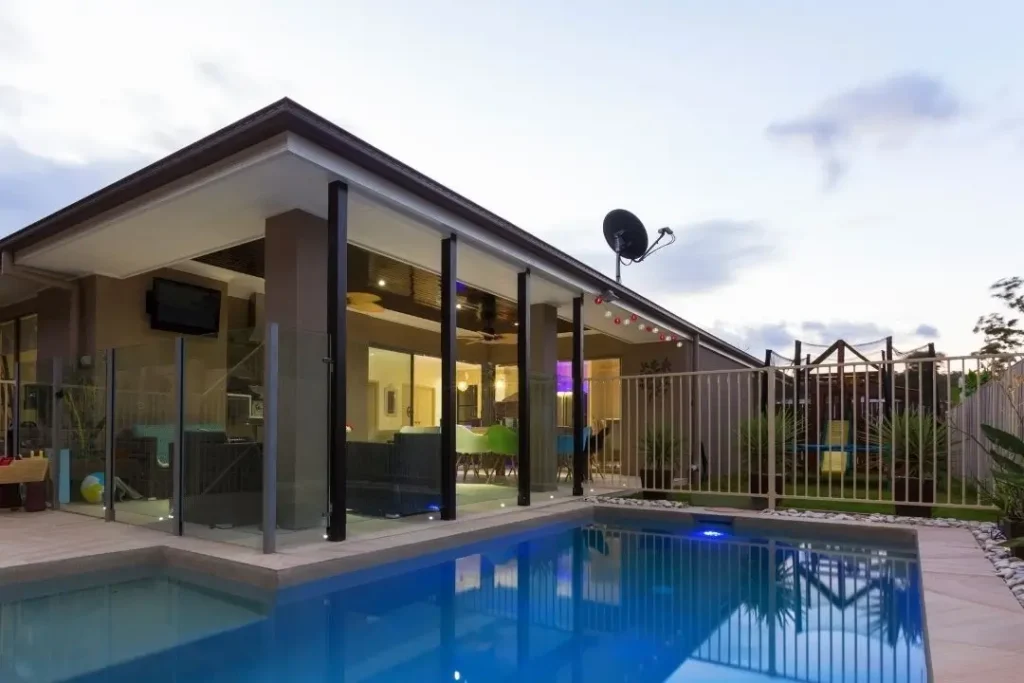
A non-climbable zone (NCZ) must exist on the outside of the pool barrier. This is a 900mm arc measured from the top of the fence, and nothing within that zone can assist climbing. That includes garden furniture, pot plants, retaining walls, and even trees with low branches.
Many homeowners are caught out by objects that were not there when the fence was installed. A garden bed that has grown up over time, or outdoor furniture moved near the fence, can put you out of compliance even if the fence itself is fine.
Gate and Latch Standards
Pool gates must be self-closing and self-latching. The latch must be positioned on the inside of the gate, at least 1.5 metres from the ground, or it must be enclosed so a child cannot reach it from the outside.
Gates must open outward, away from the pool. A gate that swings inward does not meet the standard. These requirements apply to every gate in the pool enclosure, including any secondary access points from the house.
The pool safety standards for Northern Beaches properties outline local gate and latch requirements in detail, which is useful if you’re unsure how the rules apply to your specific setup.
Four-Sided Fencing vs. Three-Sided with a Wall
In NSW, pools built after 1 August 1990 must have four-sided fencing that isolates the pool from the house and all other structures. The house wall cannot form part of the barrier.
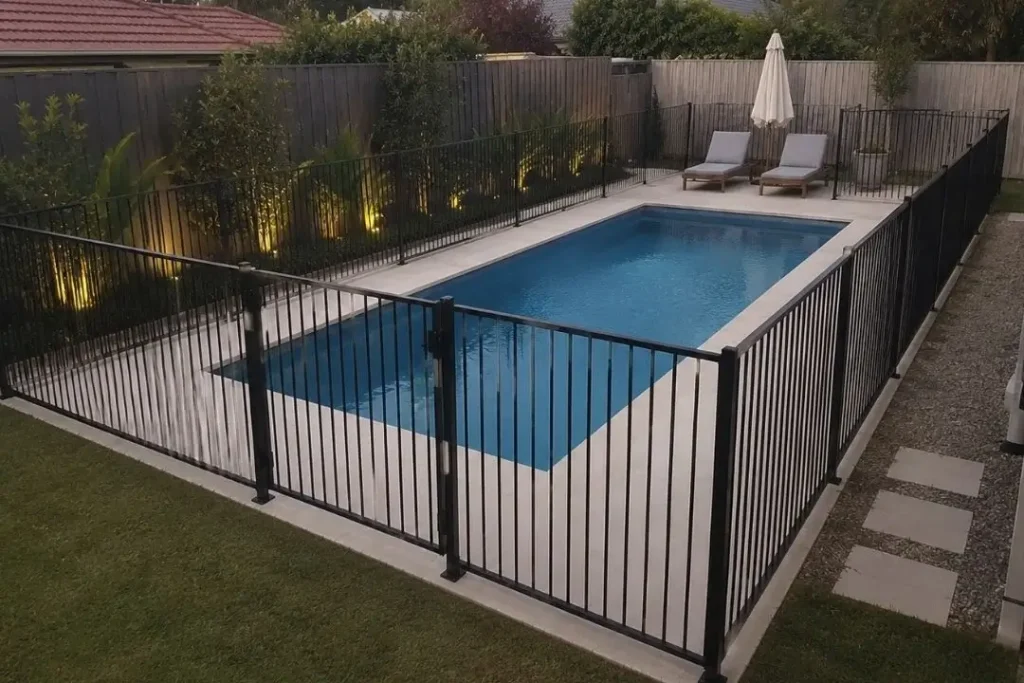
Pools built before that date may be permitted to use a three-sided barrier where the house wall forms one side, but strict conditions apply. Doors and windows that open into the pool area must be fitted with compliant safety measures, including self-closing and self-latching mechanisms.
What Materials Are Acceptable
NSW pool fencing regulations focus on performance standards rather than specific materials. The most common choices are:
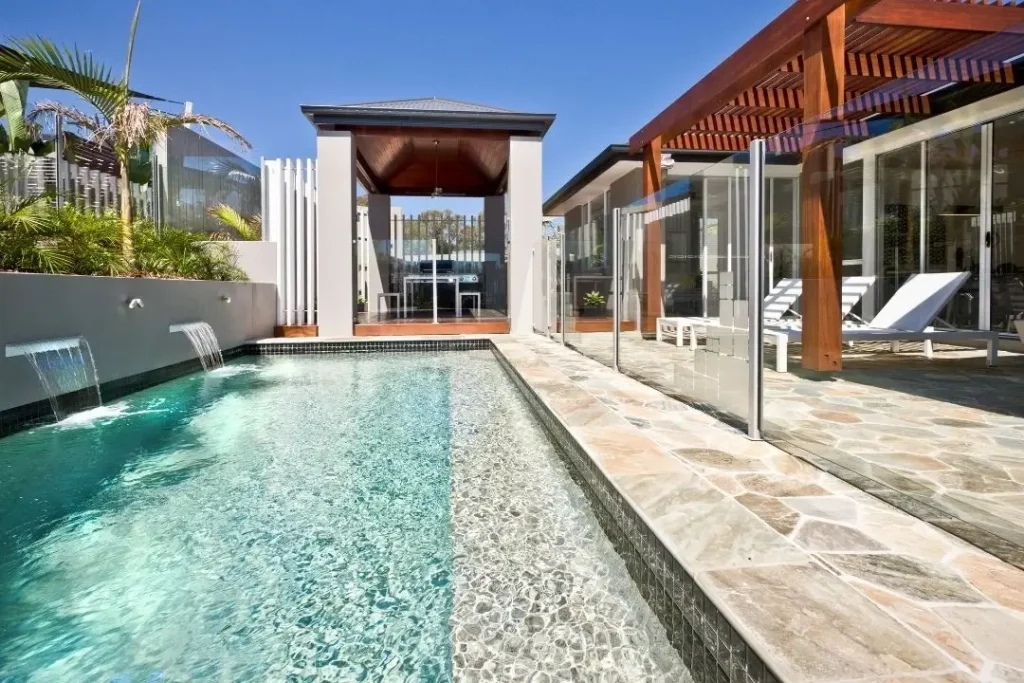
- Glass (frameless or semi-frameless): maintains sightlines to the pool, popular with parents for that reason.
- Aluminium fencing: corrosion-resistant, no climbing footholds, well-suited to coastal conditions.
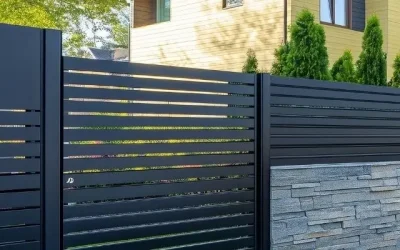
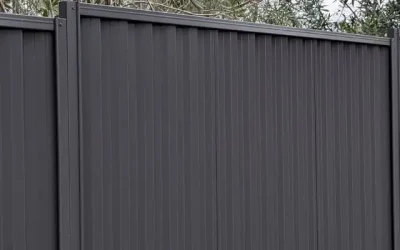
- Colorbond steel: suits setups where privacy matters alongside compliance.
- Timber fencing: permitted under the standard but rarely the right choice for pool enclosures due to strict gap requirements and ongoing maintenance.
Whatever material you use, the finished fence must meet AS 1926.1.
Compliance Certificates and Inspections
A pool compliance certificate is issued by a council inspector or accredited certifier after a physical inspection of the barrier. The certificate confirms the fence meets the current standards at the time of inspection.
Certificates are valid for three years for properties with a single dwelling, and one year for properties with multiple dwellings or tourist and visitor accommodation. If you’re selling or leasing, you’ll need a current certificate before settlement or the start of a tenancy.
Councils can also carry out random inspections of registered pools. If your pool is flagged for inspection and the barrier fails, you’ll be given a timeframe to rectify the issues and face re-inspection.

Common Reasons Pool Fences Fail Inspection
The most frequent issues inspectors find include gates that don’t self-close properly, latches that are worn or incorrectly positioned, gaps at the base of the fence, and objects within the non-climbable zone. These are all fixable, but they do require attention before an inspection rather than after.
Older fences that were compliant when installed may no longer meet current standards if the rules have changed or the fence has deteriorated. A fence that looks fine visually can still fail on technical grounds.
What to Do Before You Install or Replace a Pool Fence
Before any work starts, check whether a development application or complying development certificate is required. In many cases, pool fencing falls under exempt development, but this depends on the fence type, height, and your specific property.
The cost of pool fencing varies depending on materials, perimeter size, and the complexity of the installation. Getting a clear scope of work upfront avoids surprises once the job is underway.
Talk to your installer about the compliance requirements before choosing a design. Not every fence style is suitable for a pool enclosure, and making changes after installation is expensive.
Ready to Sort Out Your Pool Fence?
Pool fencing compliance is straightforward when you work with someone who knows the requirements. We handle pool fence installations and compliance work across the Northern Beaches, including fencing Newport, Mona Vale, and the surrounding area.
For fencing contractors Northern Beaches homeowners rely on for compliant pool barrier installations, reach out to our team for an honest assessment of what your property needs.Call us on (02) 9090 4199 to talk through your project before committing to anything.